More to Explore
More about Trinity, including its history, governance, public opening hours and vacancies.
News
Research and achievements by Trinity academics and students as well as the latest initiatives from the College.

The Library
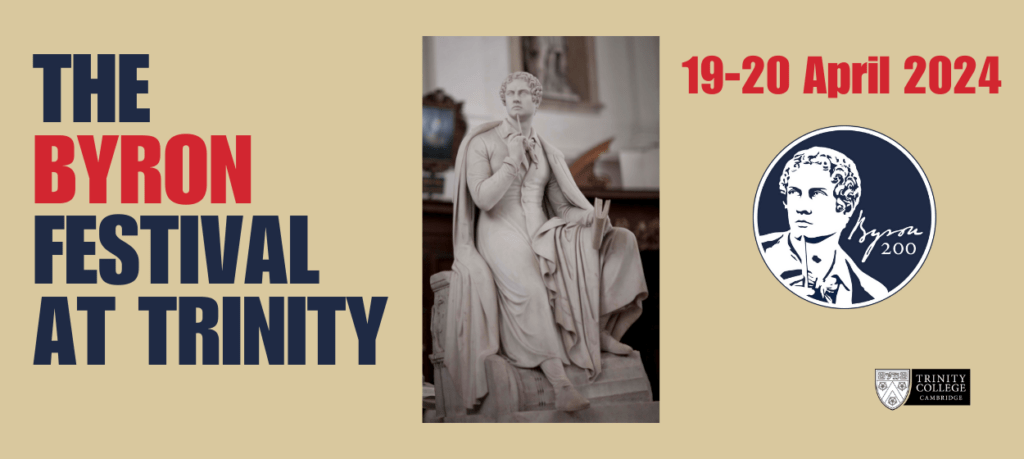
The Library is open to all members of Trinity College. It consists of the student library (Reading Room and Lower Library), the Law Reading Room and the historic Wren Library. The Wren Library is open to members of the public. Academic readers may consult the special collections by prior appointment.
The Clock
The College clock is housed in one of the oldest buildings in Trinity: King Edward’s Gate, otherwise known simply as the clock-tower. This gate originally formed a grand entrance to King’s Hall, a foundation which was dissolved in 1546 and joined with Michaelhouse to found the new College of the Holy and Undivided Trinity.
The Chapel and Choir
Trinity College Chapel was built during the reigns of Mary and Elizabeth I, and was intended to be the place where the Master, Fellows and Scholars of the College made their daily acts of worship, as an integral part of their life and study.
College Gardens
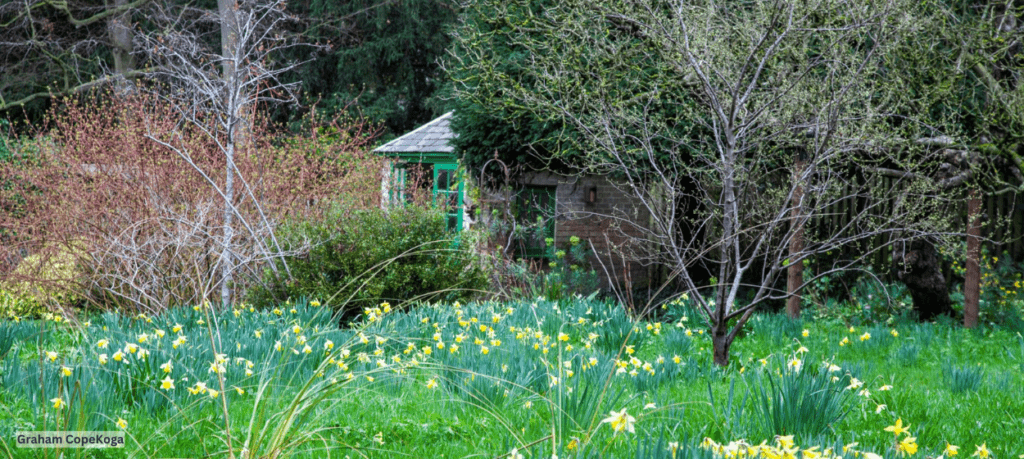
Trinity College gardens extend for 36 acres including the obviously well known areas such as Great Court, Trinity Backs and the plot of grass outside Great Gate where “Newton’s Apple tree” stands.